

How to Become an Aesthetics Practitioner
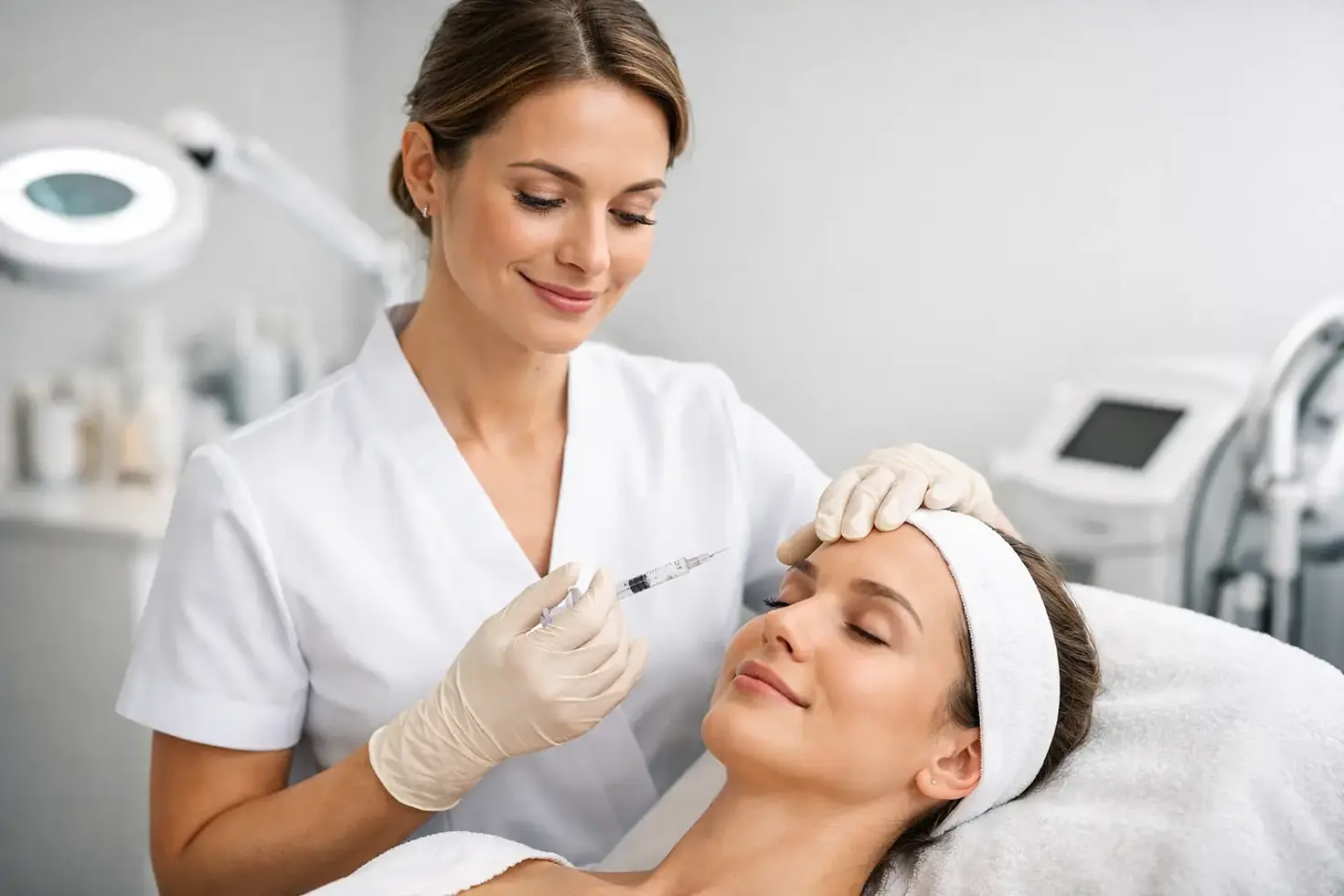
A beautiful result is rarely about putting more product into a face. It is about assessment, facial balance, anatomy, technique and knowing when treatment is not appropriate. That is the standard to work towards when learning how to become an aesthetics practitioner: not simply gaining a certificate, but developing the judgement that helps clients feel safe, heard and naturally enhanced.
Aesthetics can be a rewarding career for people who are detail-focused, people-centred and committed to continued learning. It also carries real responsibility. Clients may arrive feeling excited, nervous or influenced by a trend they have seen online. Your role is to provide clear, honest guidance and clinical-quality care, not to promise a dramatic transformation at any cost.
Start with the right understanding of the role
An aesthetics practitioner may provide non-surgical treatments such as dermal filler, skin boosters, microneedling, chemical peels and other skin or facial treatments, depending on their qualifications, insurance and local requirements. Some practitioners are medically qualified; others enter the industry through specialist aesthetics education and build their scope of practice carefully.
The route you take depends on your existing background. A registered nurse, doctor, dentist or prescribing pharmacist may have a different route into advanced injectable work from a complete beginner. Neither route removes the need for high-quality, treatment-specific training, supervised practical experience and a sound understanding of complications.
In the UK, dermal fillers are not subject to one universal national licensing system in the way many clients might assume. That makes your professional choices even more significant. Reputable education, appropriate insurance, safe products, excellent record keeping and compliance with the requirements in your local authority area are essential. If you intend to offer botulinum toxin treatments, remember that this is a prescription-only medicine and must be prescribed following an appropriate consultation by a qualified prescriber.
How to become an aesthetics practitioner safely
The fastest route is not always the strongest one. A short course can introduce a treatment, but a sustainable career is built through structured education, deliberate practice and an uncompromising approach to safety.
Choose training with substance, not just a certificate
Look closely at what a course actually teaches. Strong foundation training should cover facial anatomy, physiology, infection prevention and control, consultation, contraindications, consent, product knowledge, injection technique, aftercare, complications and emergency protocols. For injectable training, practical teaching on live models under close supervision is particularly valuable.
Accreditation and teaching credentials matter, but ask meaningful questions rather than relying on a course title alone. Who teaches the course? Are they active practitioners? How much hands-on time is provided? What is the class size? Is post-course support available? Does the course assess competence, rather than simply attendance?
For those entering without a medical background, begin with a respected foundation course and avoid being pushed into advanced areas before you are ready. More complex procedures, including tear trough work, non-surgical rhinoplasty and high-risk facial areas, require a deeper level of anatomical knowledge, risk awareness and practical competence. A responsible practitioner recognises the limits of their current skillset.
Build anatomy and consultation skills before chasing treatments
Technique matters, but assessment comes first. A practitioner should be able to evaluate facial proportions, skin quality, volume loss, asymmetry and a client’s underlying motivations. The same amount of filler will not suit every lip, cheek or chin, and not every concern is best addressed with an injectable treatment.
Consultation is also where trust is built. Learn to take a thorough medical history, identify contraindications, explain realistic outcomes and discuss possible side effects in plain language. Clients should never feel rushed, pressured or uncertain about what is being placed in their face.
This is particularly important when clients request a highly filtered or exaggerated look. You may need to explain why their desired result is not suitable for their anatomy, why a gradual treatment plan would be safer, or why declining treatment is the right decision. Protecting a client’s wellbeing is part of professional excellence.
Gain supervised experience and practise with purpose
Training is the beginning, not the moment you become fully confident. Seek mentoring, model days and opportunities for supervised practice within the treatments you have been trained and insured to offer. Keep detailed notes on every case, including assessment, product, batch information, technique, consent, photographs and aftercare.
Start with treatments that match your level of education and experience. It can be tempting to offer every trending procedure immediately, especially when social media makes advanced treatments look routine. However, a smaller menu delivered exceptionally well is far more valuable than an extensive list delivered inconsistently.
Before-and-after photography should be ethical and clinically useful. Take images with consent, consistent lighting, angles and facial positioning. Avoid misleading edits or filters. Your portfolio should demonstrate refined work, honest outcomes and an understanding of natural facial movement.
Put safety systems in place before taking bookings
Being able to perform a treatment is only one part of practising professionally. Your treatment environment, documentation and response plans must support safe care from the first enquiry to the final review.
You will need suitable practitioner insurance for the exact treatments you provide, including cover for complications where available. Confirm the policy requirements before booking a model or client. You should also use genuine, traceable products from authorised suppliers and store them in line with manufacturer guidance.
A clean, professional setting is non-negotiable. Establish clear infection-control procedures, safe sharps disposal, clinical waste arrangements and appropriate hygiene standards. Check whether your council requires registration, licensing or specific premises permissions for the services you plan to provide. Requirements can differ by borough and by treatment, so do not rely on advice intended for another area of the UK.
Your paperwork should include a medical questionnaire, consent form, treatment plan, photography consent where relevant, aftercare information and a clear cancellation policy. Record keeping may feel administrative, but it protects clients and supports sound clinical decision-making if they return for review or report a concern.
Prepare for complications, not just perfect outcomes
Every injectable practitioner must understand complications and have an appropriate plan for responding to them. This includes recognising signs that require urgent escalation, maintaining appropriate emergency supplies where indicated by your training and scope, and knowing exactly who to contact for medical support.
Do not work beyond your competence or try to manage a serious concern alone. Prompt recognition, calm communication and appropriate referral can make a significant difference. Complication management training should be treated as a core part of your development, not an optional extra once your diary is busy.
Create a career clients can trust
Your reputation will not be built only through polished photographs. It will be built through punctuality, hygiene, consistency, careful follow-up and the way clients feel during their appointment. A calm explanation, a considered treatment plan and a genuine check-in afterwards can be just as memorable as the visible result.
Set your prices with care. Very low introductory pricing may attract bookings, but it must never force you to cut corners on products, appointment time, insurance or training. Calculate the true cost of delivering safe treatment, including consumables, professional development, model fees, premises and follow-up care. Premium service is supported by standards, not by an inflated price alone.
Marketing should reflect the practitioner you intend to become. Avoid guarantees, unrealistic claims and language that suggests a client needs to be “fixed”. Focus on informed choice, subtle enhancement and individual treatment plans. A trustworthy online presence makes your qualifications, location, contact process and approach to safety easy to understand.
At Nadirah London Clinic, practitioner education is grounded in the same principle expected in clinic: precision should never come at the expense of safety, comfort or natural-looking results. That mindset is worth carrying into every course, consultation and treatment room.
Keep developing as your confidence grows
Aesthetics evolves quickly, but not every new trend deserves a place in your practice. Continue learning through advanced training, anatomy education, peer support and regular review of your own cases. Seek feedback, revisit the treatments that challenge you and remain willing to refer when another professional is better placed to help.
The most respected practitioners are not those who say yes to every request. They are the ones whose clients know that every recommendation has been made with care, skill and their long-term wellbeing in mind.


Comments