

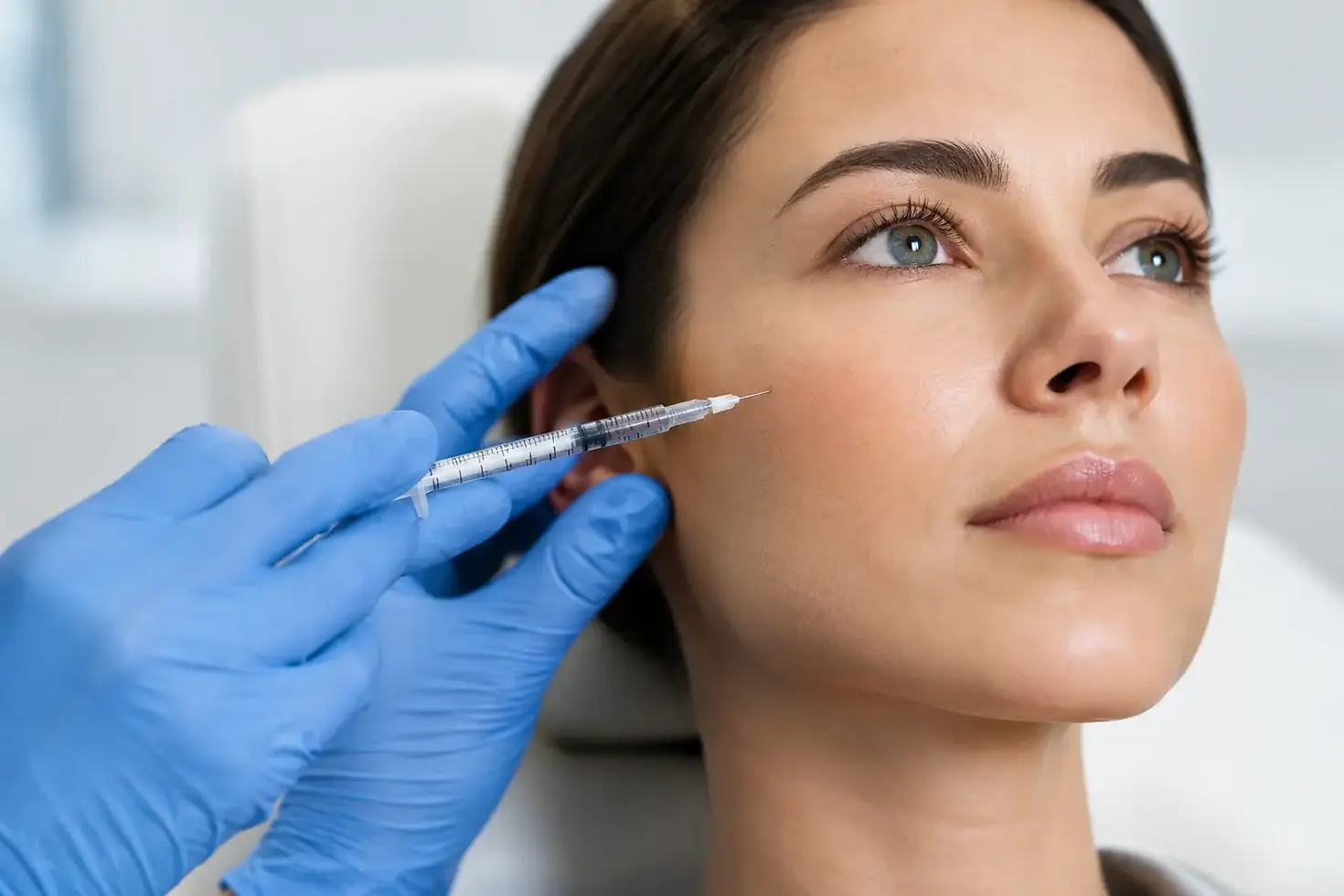
Injectable Anatomy: Why Precision Shapes Results

A beautifully subtle result is never simply about the product in the syringe. Injectable anatomy is the clinical knowledge that helps a practitioner assess what lies beneath the skin, respect the individuality of every face, and place treatment with purpose rather than guesswork. For clients who want refinement without an overfilled appearance, it is one of the most meaningful measures of safe, considered care.
At Nadirah London Clinic, natural-looking enhancement begins with listening, then with anatomy-led planning. Whether the concern is lip definition, softened volume loss, cheek contour or profile balance, the aim is to make choices that suit your facial structure, your expressions and your comfort with change.
What injectable anatomy means in aesthetic practice
Injectable anatomy is the detailed understanding of facial layers: skin, fat compartments, muscles, ligaments, blood vessels, nerves and bone. These structures do not sit in the same place or at the same depth in every person. They also change with age, weight fluctuations, previous treatments and natural facial movement.
This knowledge shapes every stage of an injectable appointment. It guides where a practitioner assesses volume, which plane may be appropriate for a treatment, how much product is proportionate, and when a treatment should not be carried out. It is not a decorative extra to technical skill. It is the foundation of responsible injectable practice.
A face is not a blank canvas and filler is not a one-size-fits-all solution. Two people may request the same treatment, yet need entirely different approaches because their features, tissue quality and facial proportions are different. This is why a consultation should feel personal rather than transactional.
Why facial mapping comes before treatment
Before an injection is considered, a careful practitioner observes the face at rest and in movement. Smiling, speaking and frowning can reveal asymmetries, muscle activity and areas where volume support may or may not complement the face. Good assessment also considers the profile, not only a front-facing photograph.
Facial mapping is the process of translating that assessment into a treatment plan. It considers the relationship between features: how the cheeks support the mid-face, how the chin and jaw influence profile balance, or how lip shape sits within the wider proportions of the lower face. Treating one area without considering its neighbours can lead to results that feel disconnected or heavier than intended.
For example, a client who feels their lips have lost definition may benefit from a conservative lip-focused plan. Another client may find that restoring a small amount of structural support elsewhere makes the whole face appear more rested, without needing a dramatic lip change. There is no universal answer, which is exactly why anatomy and professional judgement matter.
Safety is about more than a steady hand
Injectables should always be approached as clinical treatments. The face contains important blood vessels and nerves, and their routes can vary between individuals. A qualified, well-trained practitioner understands recognised higher-risk areas, uses suitable technique and product placement, and works with the care required to reduce avoidable risk.
However, no cosmetic procedure is entirely risk-free. Temporary swelling, tenderness, bruising and asymmetry can occur, particularly in areas such as the lips. More serious complications, though uncommon, require prompt recognition and appropriate action. An experienced practitioner should explain realistic risks before treatment, obtain informed consent and have clear safety protocols in place.
Clients should be wary of anyone who dismisses questions, promises a completely painless experience or agrees to inject without a proper assessment. A polished social media image is not evidence of anatomical knowledge, hygiene standards or complication management. Credentials, consultation quality and a practitioner’s willingness to say no are far more useful indicators.
The difference between volume and structure
Many people use the word “filler” as though it always means making a feature bigger. In skilled practice, it can be used more thoughtfully than that. The goal may be to support, refine or restore rather than simply add volume.
The cheek area illustrates this well. With time, facial fat compartments and structural support can change, which may contribute to a less rested appearance. A carefully planned cheek treatment may create gentle lift and contour. Yet excess product, placement without appropriate assessment, or repeated treatment without review can make the face appear puffy or artificial.
The same principle applies to lip filler. Lip anatomy includes delicate tissue, varied natural borders and constant movement. A refined outcome respects the client’s existing shape, preserves proportion between upper and lower lip, and avoids chasing volume at the expense of softness and function. Sometimes the most beautiful result is definition with only a modest change in fullness.
Injectable anatomy changes how results age
Aesthetic treatment is not a one-off image. It becomes part of how the face looks over time. Product selection, placement, the amount used and the interval between appointments all deserve careful thought. A plan that appears effective immediately may not be the right long-term choice if it disregards tissue behaviour or facial balance.
This is one reason a gradual approach is often preferable. Building treatment in stages allows both client and practitioner to review healing, expression and proportion before deciding whether more is genuinely needed. It also leaves room for the client to adjust to a change that still feels like them.
A responsible practitioner will not treat every request in the same way. If an area already appears overfilled, if skin quality needs attention first, or if treatment is unlikely to meet the desired outcome, pausing is a professional decision. The best result is not always more treatment. It is the treatment that makes sense for the face in front of you.
Questions worth asking at your consultation
A consultation is your opportunity to understand the reasoning behind a proposed treatment. Ask who will perform the procedure, what relevant training and experience they hold, and why a particular plan has been recommended for you. You can also ask about the expected healing period, likely side effects, aftercare, review arrangements and how complications would be managed.
Be open about previous filler, allergies, medications, medical conditions and any history of cold sores if you are considering lip treatment. This information is not a formality. It can affect whether treatment is suitable, when it should take place and the aftercare you may need.
It is equally useful to share what you do not want. If your priority is avoiding a noticeably augmented look, say so clearly. Reference images can help communicate a style, but your practitioner should explain whether that outcome is realistic for your own anatomy rather than attempting to copy another person’s face.
What responsible treatment feels like
For many clients, anxiety comes from fear of looking unlike themselves or being rushed into a decision. High-quality care should feel measured. You should have time to ask questions, understand the plan and make a decision without pressure.
During treatment, clear communication matters. Your practitioner should explain what is happening, monitor your comfort and provide appropriate aftercare guidance. Afterwards, patience is essential. Early swelling is not the final result, and judging a treatment too soon can lead to unnecessary top-ups.
For aspiring practitioners, injectable anatomy deserves the same seriousness. Technical confidence without a thorough understanding of facial structures is not enough. Strong training combines anatomy, assessment, consultation, hygiene, emergency awareness and ethical decision-making, because the responsibility continues long after the practical technique has been demonstrated.
The most reassuring aesthetic results tend to attract a simple compliment: you look well. That quiet confidence comes from an anatomy-led plan, precise treatment and a practitioner who values your safety and individuality as highly as the visible result.


Comments